Introduction: Why Vacuum Jacketed Hoses Matter
In applications where temperature control is critical, even small amounts of heat transfer can have a measurable impact on system performance. For cryogenic systems, unwanted heat ingress leads to increased boil-off, higher operating costs, and reduced efficiency. In high-temperature processes, heat loss can affect consistency, energy usage, and overall process stability. In both cases, maintaining thermal control is essential.
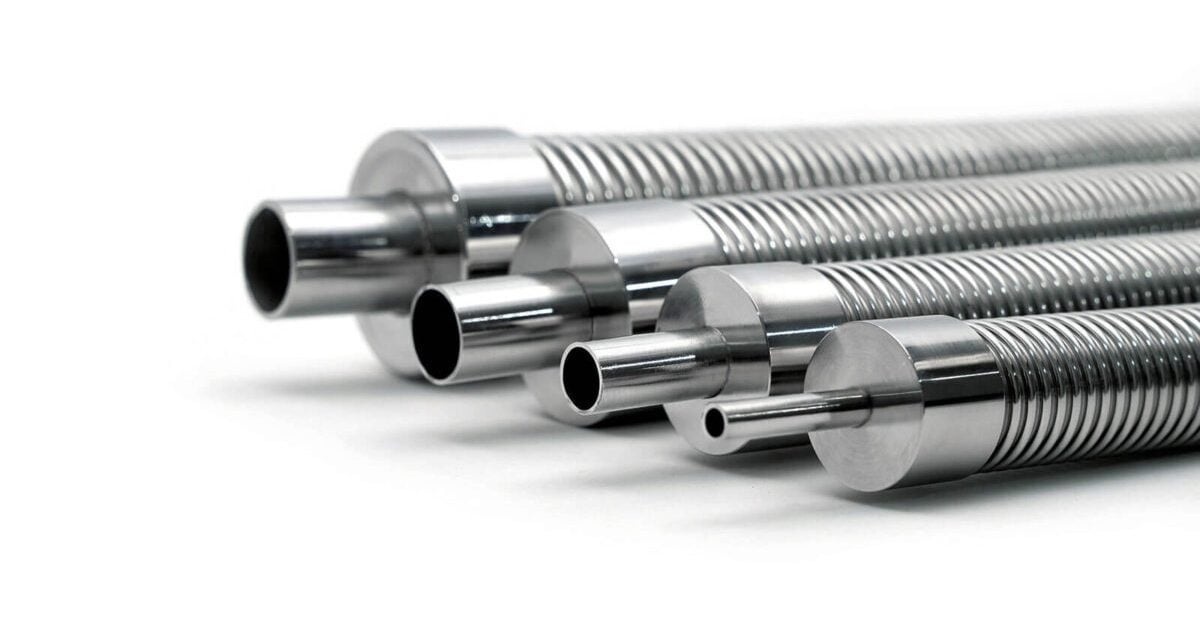
Insulon® vacuum jacketed hoses are designed to address these challenges by minimizing heat transfer between the process fluid and the surrounding environment. Through a proprietary vacuum insulated design, Insulon® hoses help maintain temperature integrity across a wide range of cryogenic and high-temperature applications.
Available with either standard vacuum insulation or enhanced multi-layer insulation (MLI), Insulon® hoses can be configured to meet varying thermal performance requirements, transfer distances, and operating conditions.
This guide explains how Insulon® vacuum jacketed hoses are designed to minimize heat transfer and outlines the key factors engineers should consider when selecting a hose configuration, including insulation type (standard vs. MLI), temperature range, pressure requirements, hose length, fluid compatibility, and system integration needs.
Table of Contents
What Is a Vacuum Jacketed Hose?
Vacuum jacketed hoses are specialized transfer lines designed to reduce heat transfer during movement of temperature-sensitive fluids.
At its core, the design consists of:
- Inner Hose (Process Line): Carries the fluid—whether cryogenic liquids like liquid nitrogen or high-temperature gases and oils.
- Outer Jacket: Surrounds the inner hose and creates an insulating barrier.
- Vacuum Space: Plays a critical role in thermal performance by acting as a highly effective thermal barrier.
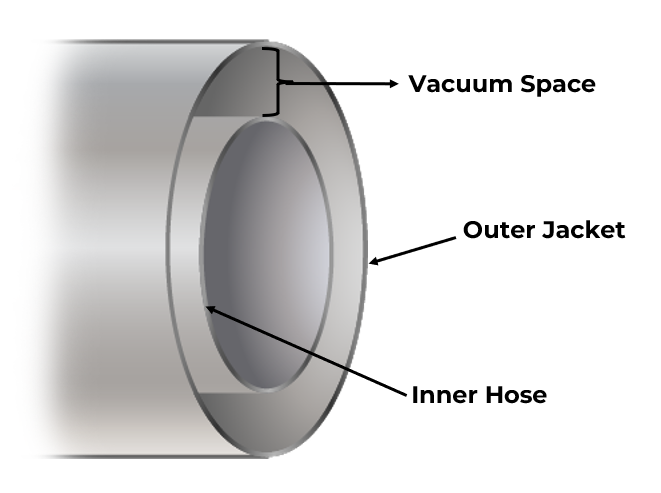
By removing air and other gases from this space, the vacuum barrier significantly reduces two primary modes of heat transfer: conduction (heat transfer through materials) and convection (heat transfer through fluid or gas movement). The result is a highly efficient insulation system that helps maintain the desired temperature of the process fluid over distance.
Understanding Heat Transfer: Why Insulation Matters
To effectively select a vacuum jacketed hose, it helps to understand the basic mechanisms of heat transfer and how insulation systems are designed to minimize them.
There are three primary modes of heat transfer: conduction, convection, and radiation, each of which can affect thermal transfer systems differently.
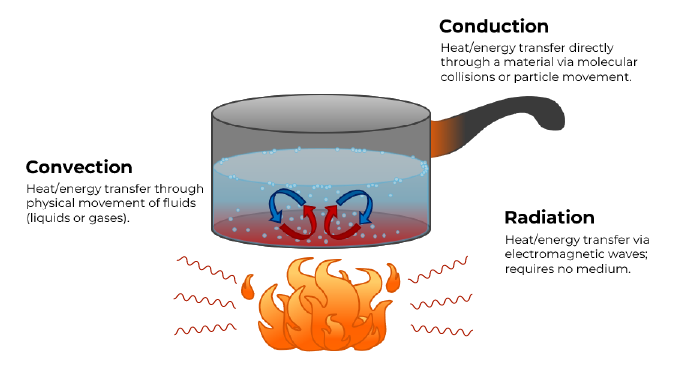
In hose systems, conduction can occur through the hose walls, fittings, and structural components, allowing heat transfer directly into or out of the process fluid. Convection occurs when surrounding air transfers heat through circulation around the hose surface, increasing thermal gain or loss in non-insulated systems. Radiative heat transfer does not require a medium, however, and remains a significant consideration even within evacuated insulation spaces.
Vacuum jacketed hoses are designed to mitigate heat transfer by eliminating convection and significantly reducing conduction through the evacuated insulation space. However, radiative heat transfer still remains a factor, especially in systems with large temperature differences or longer transfer distances. In circumstances where reducing radiative heat transfer is critical (e.g., cryogenic transfer applications), additional insulation strategies, such as multi-layer insulation, can be implemented.
Because radiative heat transfer remains a factor even within evacuated insulation spaces, insulation configuration plays an important role in overall thermal performance. Depending on the application, transfer distance, and operating conditions, different insulation approaches may be used to balance flexibility, thermal efficiency, and system requirements.
Standard vs. MLI: What's the Difference?
When selecting an Insulon® vacuum jacketed hose, one of the most important decisions is choosing between standard vacuum insulation and multi-layer insulation (MLI). The right choice depends on your application, operating conditions, and performance requirements.
Standard Vacuum Insulation
Standard vacuum insulation relies on the vacuum space alone to reduce heat transfer. Insulon® standard vacuum insulated hoses are engineered with a proprietary ultra-deep vacuum process designed to minimize residual gas conduction and deliver high thermal performance without the need for multi-layer insulation in many cryogenic applications.
Best suited for:
- Short transfer distances
- Applications with moderate thermal sensitivity
- Cost-conscious systems
Key characteristics:
- Eliminates convection; reduces conduction
- Lightweight, compact design
- Greater flexibility
- Simpler construction
- Lower upfront cost
For many applications, standard vacuum insulation provides sufficient thermal performance while keeping system complexity and cost manageable.
Multi-Layer Insulation (MLI)
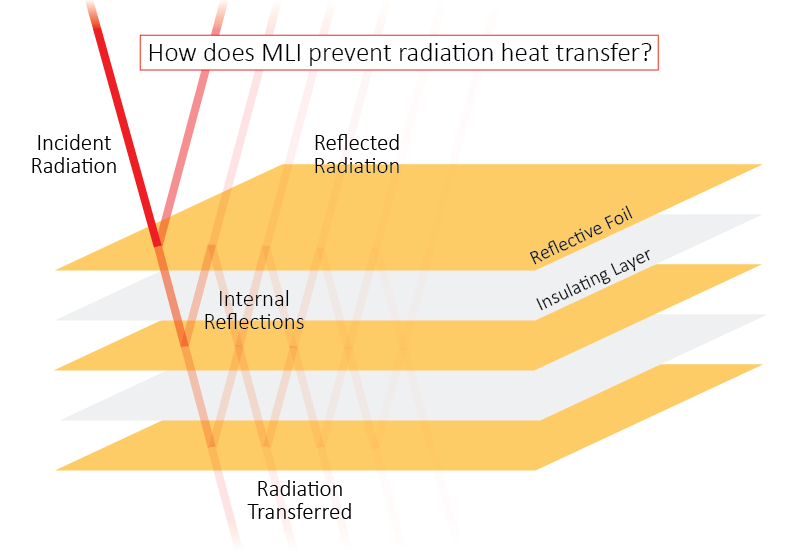
Multi-layer insulation (MLI) enhances thermal performance by addressing the remaining mode of heat transfer: radiation.
In general, MLI consists of multiple layers of reflective material separated by low-conductivity spacers installed within the vacuum space. These layers act to reflect radiant heat, significantly reducing heat transfer between the inner and outer surfaces.
Insulon® MLI consists of a proprietary, high-density multi-layer insulation.
Best suited for:
- Long transfer runs
- High-value cryogens (e.g., liquid helium)
- Applications requiring maximum thermal efficiency
- Systems where minimizing boil-off is critical
Key characteristics:
- Reduces radiative heat transfer
- Improves overall thermal efficiency
- Helps minimize cryogen loss over distance
- Supports more stable operating conditions
In high-performance systems MLI can make a substantial difference, particularly in applications where even small thermal losses translate into measurable cost or performance impacts.
Ultimately, the appropriate insulation configuration depends on the thermal performance requirements, transfer distance, operating conditions, cost, and flexibility needs of the application.
Key Selection Criteria for Insulon® Vacuum Jacketed Hoses
Selecting the appropriate Insulon® vacuum jacketed hose configuration requires evaluating several thermal, mechanical, and application-specific factors. Because Insulon® hoses are available in multiple insulation and pressure configurations, understanding the operating conditions of the system is essential to achieving the desired balance of thermal performance, flexibility, and efficiency.
Key considerations include insulation type (Standard vs. MLI), operating temperature, pressure requirements, transfer distance, fluid compatibility, end connections, and installation environment.
1. Temperature Range
Operating temperature is one of the primary considerations when selecting an Insulon® vacuum-jacketed hose configuration. Insulon® hoses are engineered to support a broad range of operating temperatures, from extreme cryogenic conditions (-270°C) to elevated process temperatures (815°C). Proper insulation selection becomes increasingly important as temperature differentials increase and thermal performance requirements become more demanding.
Considerations:
- Cryogenic applications (e.g., liquid nitrogen, helium) require minimizing heat ingress
- High-temperature applications require minimizing heat loss and maintaining stability
- Larger temperature differentials increase the importance of insulation performance
- Type of end fitting configurations (e.g., O-ring material considerations)
For systems operating across large temperature differentials or extended transfer distances, Insulon® MLI configurations can provide additional protection against radiative heat transfer and cryogen loss.
2. Pressure Requirements
Pressure rating is a critical consideration when selecting an Insulon® vacuum jacketed hose configuration. Depending on the application, Insulon® hoses are available in both low-pressure (LP) and high-pressure (HP) configurations to support varying system requirements.
Considerations:
- Maximum operating pressure of the system
- Pressure fluctuations or cycling conditions
- Safety factors and regulatory requirements
Selecting the appropriate pressure rating ensures the hose can handle system demands without compromising performance or safety. Additionally, final assembly pressure capability may vary depending on end fitting selection, flange type, and overall system integration requirements.
For high temperature applications (38-815°C), please see the pressure derating factors by temperature in our brochure.
3. Hose Length
Hose length plays a direct role in thermal performance. As transfer distance increases, additional thermal losses can occur, even within vacuum insulated systems. Insulon® Standard and MLI configurations allow insulation performance to be matched to the transfer distance and thermal sensitivity of the application.
Considerations:
- Standard vs. custom lengths
- Total transfer distance within the system
- Impact of length on thermal efficiency
For longer runs, MLI is often recommended to help minimize cumulative heat transfer and maintain system efficiency.
ANCORP offers 3 standard lengths of 24″, 48″, and 120″. Custom lengths range from 1.5-66 ft (0.5-20 m). Hose assemblies are measured end-to-end, including tube stubs and installed end fittings.
4. Fluid Type
Insulon® vacuum jacketed hoses are commonly used in cryogenic transfer systems where maintaining fluid temperature and minimizing boil-off are critical to operational efficiency. In addition to cryogenic transfer applications, Insulon® hoses can also support elevated temperature fluid transfer involving oils, steam, and gases.
Considerations:
- Temperature sensitivity of the fluid
- Volatility or boil-off risk
- Compatibility with hose materials
High-value or highly sensitive fluids, such as liquid helium, typically benefit from higher-performance insulation to reduce loss and maintain stability.
5. End Fittings and System Integration
Proper integration into your system is just as important as the hose itself.
Insulon® vacuum jacketed hoses are commonly supplied with 316L stainless steel tube stub ends, but a wide variety of end fittings and connection types may be required depending on the application.
Considerations:
- Compatibility with existing system connections
- Required flange or fitting types
- Installation constraints and space limitations
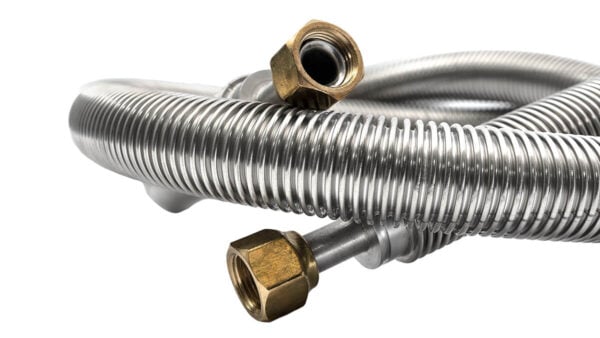
Each hose end can be independently configured to support application-specific integration requirements. Examples of end fittings include KF, CF, NPT (male/female), VCR (male/female), and compression unions. For a complete list, see our Hose Assembly Configurator on our Insulon® page.
6. Operating Environment
The surrounding environment can influence both performance and durability. Insulon® vacuum jacketed hoses are designed for use across a wide range of demanding operating environments, including industrial, laboratory, semiconductor, and cleanroom applications.
Considerations:
- Exposure to corrosive elements
- Spatial constraints for equipment
- Cleanliness requirements (e.g., semiconductor applications)
- Indoor vs. outdoor installation
- Mechanical stress, vibration, or movement
Material selection and construction quality play an important role in ensuring long-term reliability under these conditions. Insulon® Standard configurations provide greater flexibility for applications with tighter routing or spatial constraints, while Insulon® MLI configurations prioritize maximum thermal insulation performance.
Performance Benefits of Insulon® Vacuum Jacketed Hoses
Insulon® vacuum jacketed hoses are engineered to support long-term thermal efficiency, operational reliability, and reduced maintenance requirements across demanding cryogenic and high-temperature applications.
Reduced Cryogen Boil-Off
In cryogenic transfer systems, heat ingress can lead to costly product loss through boil-off and reduced thermal efficiency. Insulated transfer solutions help minimize boil-off and improve operational efficiency.
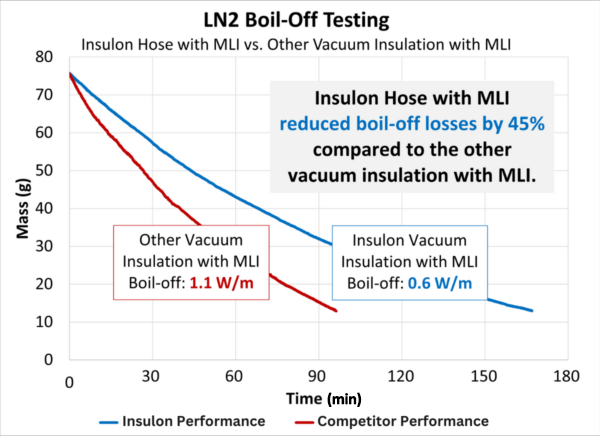
Insulon® MLI hose has demonstrated up to 45% lower cryogen boil-off compared to conventional vacuum jacketed hose designs, helping organizations reduce waste and improve long-term operating costs.
Improved Thermal Stability
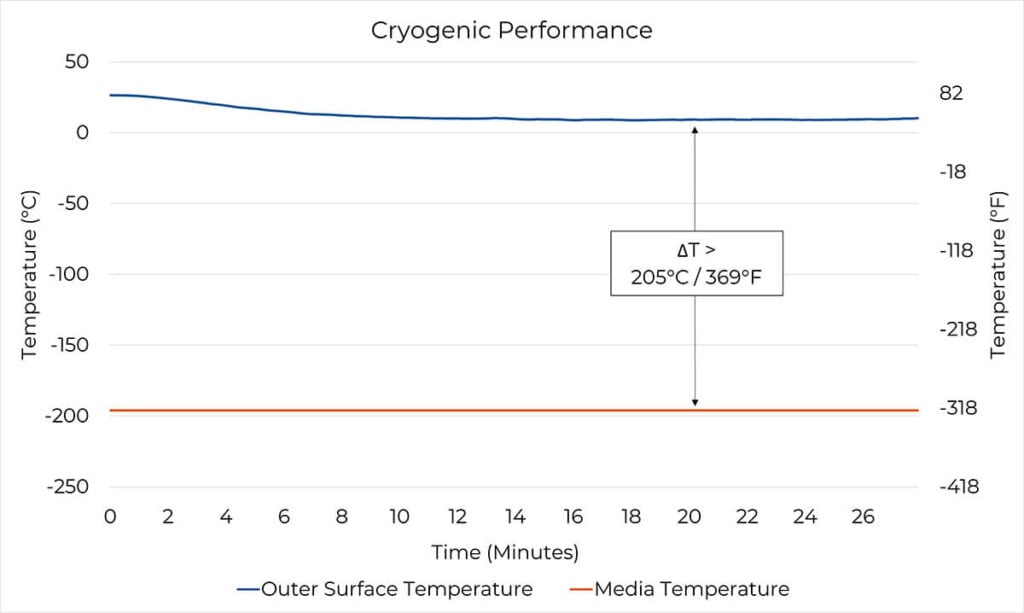
Maintaining stable process temperatures is critical in many cryogenic and temperature-sensitive applications. By minimizing heat transfer across the vacuum barrier, Insulon® hoses help support more consistent thermal conditions during fluid transfer.
The graph shown demonstrates the large temperature differential maintained between the process media and the external hose surface during cryogenic operation.
By reducing thermal loss during transfer, Insulon® vacuum jacketed hoses can improve overall system efficiency and reduce the energy required to maintain process temperatures over time.
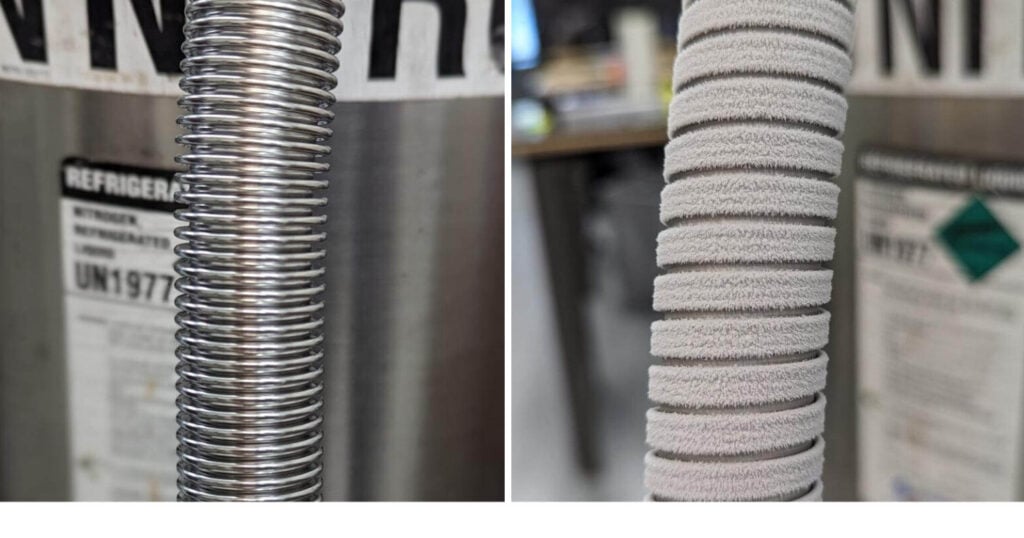
Reduced Surface Condensation and Frost
In cryogenic systems, effective insulation can help minimize surface condensation and frost buildup, contributing to cleaner operation and safer working environments.
Elimination of Pump-Down Maintenance
Insulon® vacuum jacketed hoses eliminate the need for pump-down maintenance. Proprietary vacuum technology and a more hermetic seal provide greater resistance to outgassing and thermal cycling.
The hermetic seal in Insulon® hoses eliminates the need for a vacuum port. Pump-out ports introduce the possibility of leaks into the vacuum space, diminishing the insulating effect of the vacuum barrier.
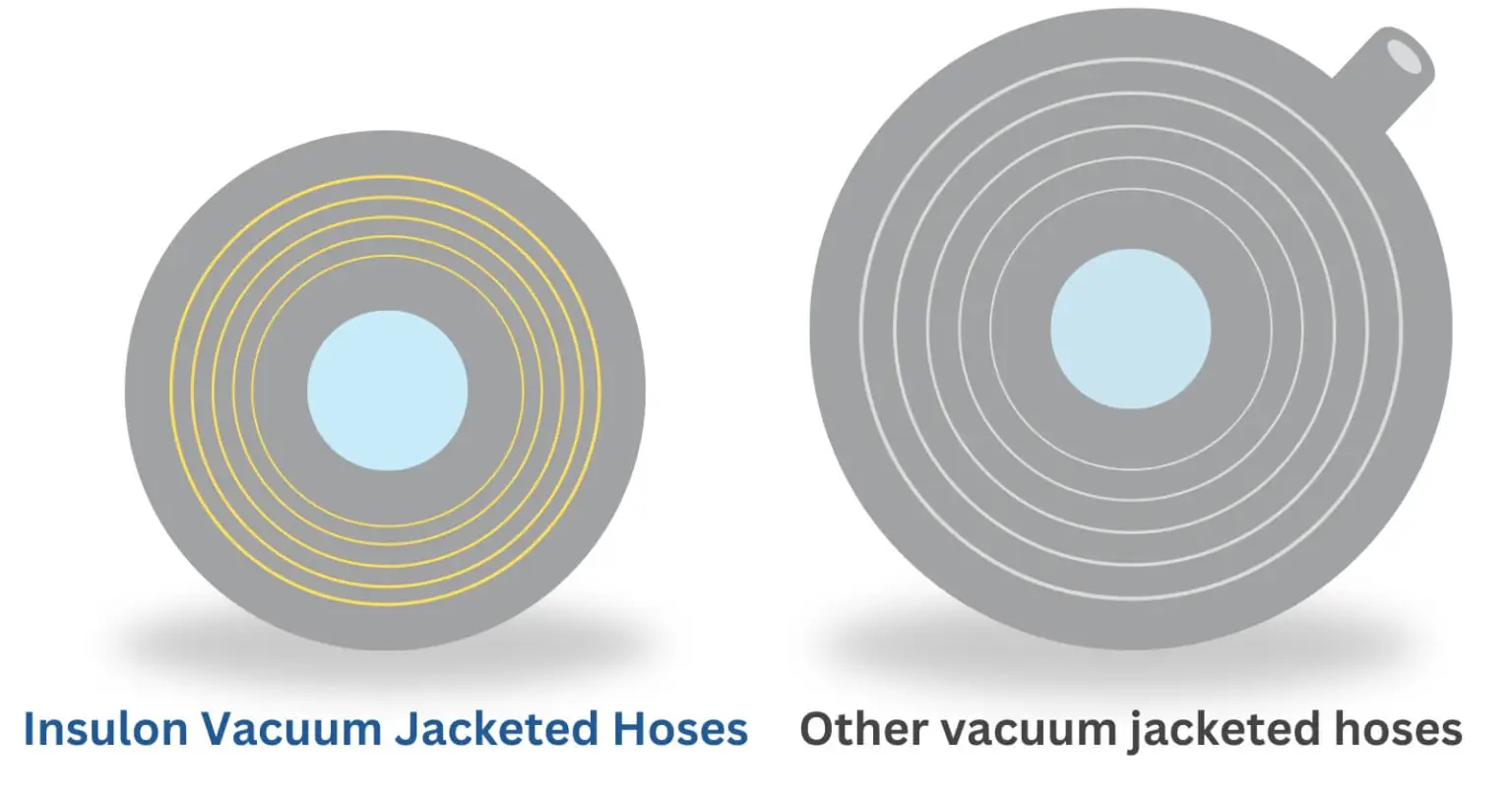
Over time, degradation of the vacuum barrier in traditional insulated hoses may require periodic pump-down maintenance to restore insulation performance, resulting in additional downtime and operational cost. By eliminating the need for a vacuum port, Insulon® hoses are designed to support long-term vacuum integrity while reducing maintenance requirements and operational downtime.
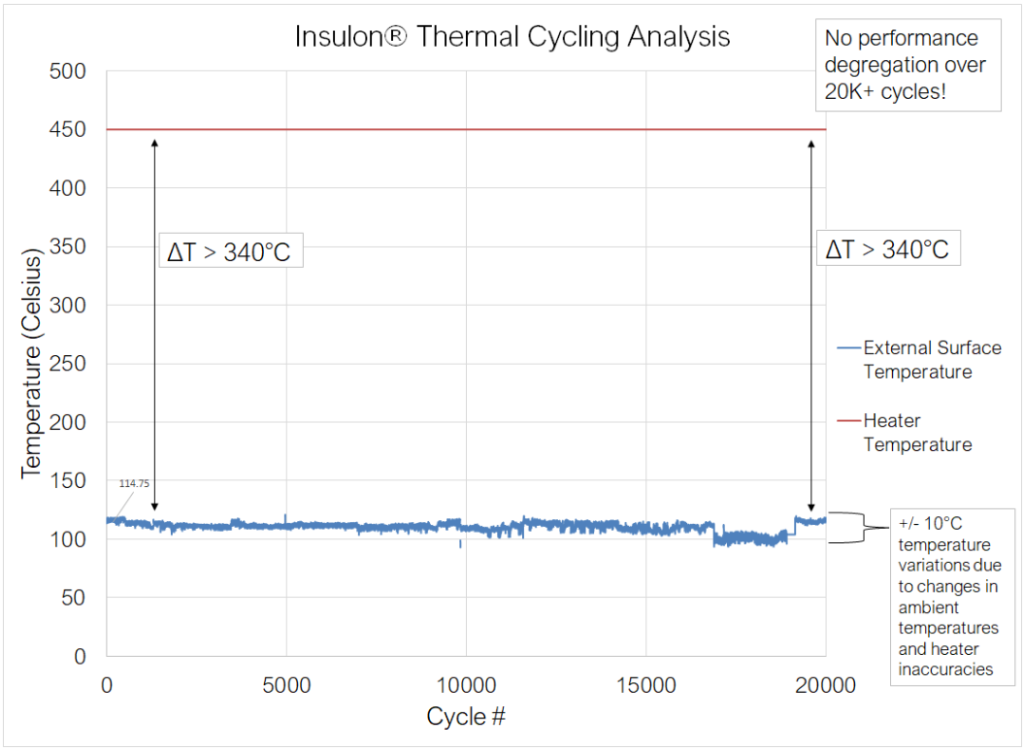
Thermal cycling tests measure a vacuum barrier’s ability to withstand cyclical temperature exposure. When an Insulon® component was exposed to 20,000 thermal cycles at 450°C, no performance degradation was observed, demonstrating Insulon®’s ability to maintain vacuum integrity over time.
Common Applications for Vacuum Jacketed Hoses
Thermal cycling tests measure a vacuum barrier’s ability to withstand cyclical temperature exposure. When an Insulon® component was exposed to 20,000 thermal cycles at 450°C, no performance degradation was observed, demonstrating Insulon®’s ability to maintain vacuum integrity over time.
Cryogenic Transfer Systems
Semiconductor Manufacturing
Quantum Computing & Research
High-Temperature Industrial Processes
Laboratory and R&D Environments
Conclusion
Selecting the appropriate vacuum jacketed hose configuration plays a critical role in maintaining thermal efficiency, process stability, and long-term operational performance. Factors such as operating temperature, transfer distance, pressure requirements, fluid compatibility, and insulation configuration all influence overall system effectiveness.
Insulon® vacuum jacketed hoses are designed to support a wide range of cryogenic and high-temperature applications through configurable insulation options, flexible integration capabilities, and hermetically sealed vacuum technology engineered for long-term reliability.
Whether the priority is minimizing cryogen boil-off, improving thermal stability, reducing maintenance requirements, or supporting complex system integration, selecting the appropriate hose configuration can help optimize both performance and operational efficiency.
For additional information about Insulon® vacuum jacketed hose configurations, standard options, or custom integration requirements, contact our sales team or application sales engineers to discuss your system(s) and application(s) needs.
Explore Insulon® Solutions in Our PDF Catalog